About 66 million years ago, a large dinosaur swallowed a diving bird, and the evidence stayed locked inside a lump of fossilized dung ever since. Scientists now say the feathers in that ancient dropping are the finest ever found from the age of dinosaurs, and they may help solve a big mystery: why some birds made it through the asteroid disaster while their cousins did not.
A lucky find on a Montana hillside
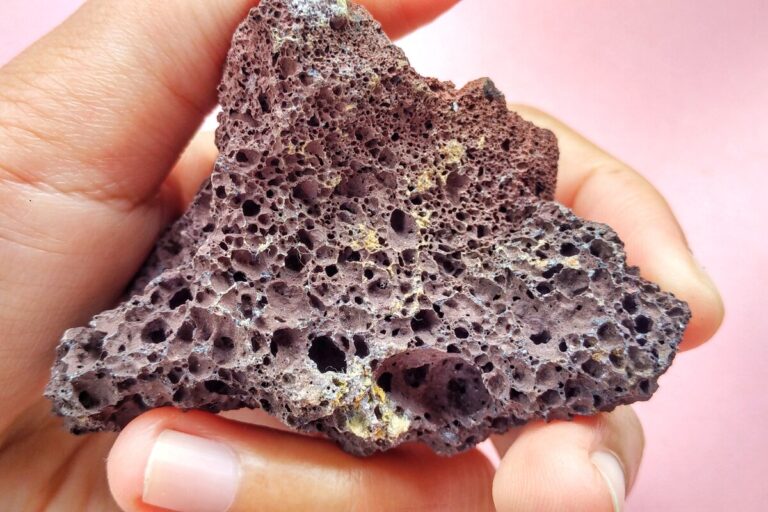
The story begins in 2016 in northeastern Montana. David DeMar Jr., a research scientist at the University of Washington Burke Museum, was climbing a rocky slope looking for fish fossils when he picked up a small, dark reddish-brown nodule, roughly half the size of a golf ball.
Through his hand lens, he spotted something he could hardly believe: a tiny fossil feather. That was a big deal. The rocks there belong to the Hell Creek Formation, and in more than 150 years of fossil hunting, nobody had ever found a feather in them.
The lump turned out to be a coprolite, which is the scientific word for fossilized poop. The dinosaur that left it was large, possibly a T. rex or a Nanotyrannus.
Looking inside without breaking it
To see what was hidden inside, the team used CT scanning. This technique stacks thousands of X-ray images into a detailed 3D view, so researchers can explore the inside of an object without cutting it open.
Paleontologist Nate Carroll of the Carter County Museum in Ekalaka, Montana, had spent years studying feathers trapped in amber. He was amazed by how much the scans revealed. “Every hour processing the data revealed another feather, another scale, another bone, in stunning 3D,” he said.
Inside the dropping, the scientists counted several feathers, tiny scales from a gar fish, and leg bones from a bird. Because the feathers and the bird bones were found together, the team concluded they most likely came from the same animal.
Meet the bird that ended up as lunch
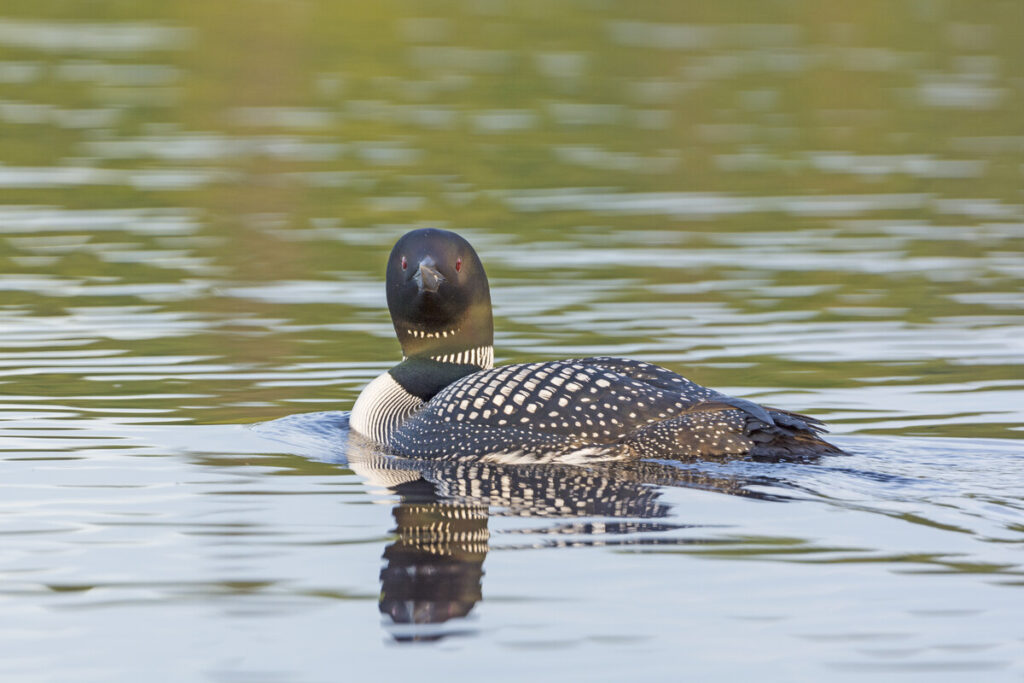
The unlucky bird was a hesperornithiform. These were water birds that lived a bit like today’s loons. Most of them could not fly at all. Instead, they used their special feet to dive underwater and chase fish.
“The feathers showed adaptations for being underwater that we see in living aquatic birds,” said Jingmai O’Connor, lead author of the study and associate curator of fossil reptiles at the Field Museum in Chicago.
These are the first feathers ever identified from this group of birds, which makes the find especially exciting.
Why some birds survived and others vanished
Birds are actually a branch of the dinosaur family. The oldest known bird, Archaeopteryx, lived around 150 million years ago, and birds shared the planet with other dinosaurs for nearly 100 million more years after that.
Then, 66 million years ago, an asteroid hit Earth. Almost every dinosaur line was wiped out, including most kinds of birds. Only one branch, called Neornithes, pulled through. Every bird alive today comes from that surviving group.
One popular idea is that living near water helped Neornithes survive. The new fossil makes that harder to believe. Hesperornithiforms also lived in and around water, yet they still went extinct. So water alone probably was not the answer.
A clue hidden in the feathers
O’Connor thinks the real difference may come down to plumage. The fossil feathers look like a mix of old and new. Some seem modern and waterproof, but others are small, fuzzy body feathers of the primitive kind seen in dinosaurs and in enantiornithines, the most common birds of that era.
Body feathers help keep birds warm. After the asteroid struck, dust and debris are thought to have filled the sky, blocking sunlight and causing a sharp drop in temperature known as an impact winter. Birds with warmer, more efficient feathers may have had a better chance of getting through the cold.
“The hesperornithiforms retain primitive feather types that may not have been as efficient for insulation as modern plumaceous feathers, and that could explain why they went extinct along with the enantiornithines,” O’Connor said. The researchers also suggest that the way birds molted, or replaced their feathers, could have played a role. For now, these remain possible explanations rather than a final verdict.
What this means
The fossil tells two stories at once. It adds a new piece to the puzzle of how modern birds came to be, and it also captures a moment in an ancient food web, showing what a large dinosaur ate shortly before the dinosaur era ended.
Greg Wilson Mantilla, a professor at the University of Washington and co-author of the study, pointed out how rare such finds are. “We rarely find fossils of birds and even more rarely their feathers,” he said.
The discovery may also send scientists back to museum drawers. Fossil droppings that have been sitting in collections could be hiding delicate feathers, bones, or other clues that nobody thought to look for. O’Connor said the whole project made her feel like a detective, and she hopes more researchers will start scanning coprolites to see what is inside.
The study was published in the journal Current Biology.
Source: ScienceDaily