When H5N1 bird flu reached U.S. dairy cattle in early 2024, it did something nobody expected: it attacked the udders instead of the lungs. Researchers have now found the reason, and it comes down to where the virus can latch on.
A flu that did not act like a flu
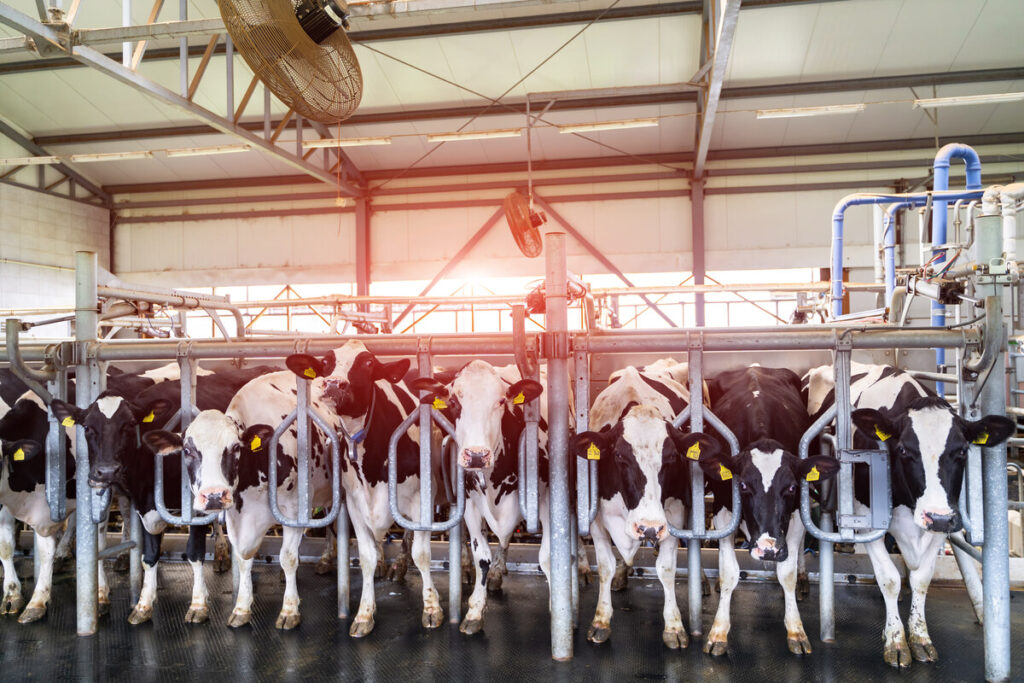
Vets were baffled at first. Cows in the Texas Panhandle were developing necrotizing mastitis, a painful inflammation that damages the tissue of the mammary glands. Mastitis is a familiar problem on dairy farms, so veterinarians checked the usual suspects, such as bacteria.
The real cause turned out to be bird flu. “When the real culprit turned out to be bird flu, everyone in the field was caught completely by surprise,” said Suresh Kuchipudi, chair of Infectious Diseases and Microbiology at the University of Pittsburgh School of Public Health. “We hadn’t even remotely considered that cattle could be a host for H5N1.”
Before anyone identified the virus, it had already moved from herd to herd, infecting cattle and contaminating their surroundings.
The lock-and-key puzzle
Flu viruses attach to cells using receptors, a bit like a key fitting a lock. These receptors belong to a family of sugar-based molecules called glycans. Earlier studies by other groups had found flu-related glycan receptors in the noses, tracheas and lungs of cattle. So why were infected cows not getting breathing problems?
To find out, Kuchipudi teamed up with Harvard Medical School glycomics researcher Lauren Pepi. Their team combined binding experiments, staining methods and ultra-high-resolution imaging to see how H5N1 interacts with different tissues. The results were published in Science Advances.
Why the udder was a perfect target
Not all glycan receptors work the same way. The researchers found that H5N1 could bind only to one specific subtype, called N-linked sialic acid receptors. Those receptors were found throughout the udder tissue of cattle, but they were nearly absent in airway tissue.
That left the mammary glands as what Kuchipudi called a “perfect breeding ground for the virus.” It explains why the outbreak showed up as severe mastitis rather than respiratory illness.
What this means for farms and pets
An infected cow sheds a lot of virus into her milk. “This raised concerns about occupational risk for farm workers,” Kuchipudi said. “Also, there is a habit of feeding raw milk to domestic pets, like cats, and there have been instances of cats dying, which we studied previously.”
He stressed that pasteurization effectively destroys the virus, which is why avoiding raw milk matters.
Predicting the virus’s next move
The team believes the same approach could work well beyond cattle. By mapping which receptors exist in which tissues, scientists may be able to judge in advance which animals are vulnerable to H5N1 and what kind of illness to expect.
“We can preemptively screen different species and different tissues within them for susceptibility,” Kuchipudi said. “For example, would they exhibit respiratory symptoms? Would they show only mastitis, as in cows? Or would they show neurological disease, as our team has shown in cats? The lessons learned could potentially help prevent us from being caught by surprise again.”
The takeaway is simple: the same virus can cause very different illness depending on the animal, because the receptors it needs are in different places.
Source: ScienceDaily