Baby birds have a rough start when the weather turns wild. A study of more than 80,000 great tits tracked over 60 years in an English woodland shows that cold snaps and heavy rain leave chicks lighter when they leave the nest. Parents that nest earlier in spring seem to dodge many of the worst effects.
Six decades of baby birds in one forest
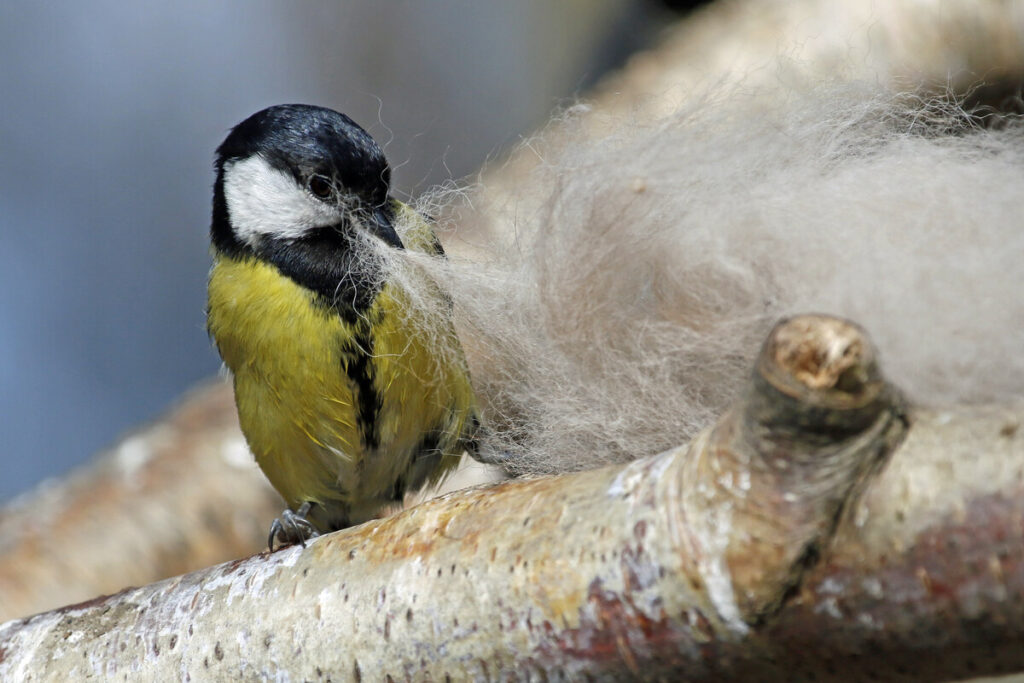
Great tits are small wild songbirds, and in Wytham Woods, near Oxford in the UK, they have been watched closely for a very long time. Scientists there have built up 60 years of records on more than 80,000 individual birds, an unusually long record.
A team at the University of Oxford combined those records with daily weather data. For every breeding season, they picked out the coldest, wettest and hottest days, then checked when those days landed during a chick’s growth. The measure they cared about most was the weight of each nestling on the day it fledged, which is when a young bird leaves the nest for good. A chick’s weight at that moment is a strong clue to whether it will survive.
The study, led by Devi Satarkar of the university’s Department of Biology, appeared in the journal Global Change Biology.
Cold early, rain later
The timing of bad weather turned out to matter a lot. In the first week after hatching, a hard cold spell did the most damage. As the chicks got older, heavy rain became the bigger danger. Either one could cut a chick’s weight at fledging by as much as 3%.
The worst case came when intense heat and heavy rain hit at the same time. Then fledging weight could fall by up to 27%, and the drop was sharpest for broods that hatched late in the season.
Over the longer run, cold and rain extremes slightly lowered the chances that young birds would make it to adulthood.
Why bad weather hurts tiny chicks
Newly hatched great tits have no feathers, so they are poor at keeping themselves warm. When the air turns cold, they burn much of their energy just staying warm, and that energy is no longer going into growing.
Weather also shrinks the food supply. The main meal for these chicks is caterpillars. Cold and heavy rain can keep parents from leaving the nest as often to hunt, and rain can wash caterpillars right off the plants. Growing chicks need a lot of energy, so fewer deliveries add up fast.
A surprise about warm days
Heat is usually bad news for young animals, but here the warm extremes during the nestling stage were tied to heavier chicks, not lighter ones. The researchers point out that a hot day in Oxfordshire is fairly mild compared with a heatwave in southern Europe.
Satarkar explained that the birds are being hit in tangled ways. “Extreme weather events are affecting wild bird populations in complex ways,” she said. Warmth in this part of England may help chicks grow because insects become more active and easier to spot, so parents can find caterpillars more easily and spend more time foraging. Warm chicks also waste less energy heating themselves. “The high water content in caterpillars also helps against dehydration,” she added. In hotter places like the Mediterranean, where similar events can go above 35°C (about 95°F), that kind of heat can harm nestlings instead.
Early nesters have an edge
Great tits in Wytham Woods have already shifted their timing as springs have grown warmer. They now breed earlier, so that their chicks hatch when caterpillars are most plentiful. According to Satarkar, that shift helps protect them from many weather extremes, but it also puts very young chicks in the path of early-season cold.
Even so, early broods tend to come out ahead. They benefit from occasional warm spells while caterpillars are abundant and temperatures stay safe. Chicks from later broods were about one third lighter at fledging, even though the warmest days they faced reached similar temperatures, around 16 to 17°C (roughly 61 to 63°F).
“Even small early-life deficits can have large implications for survival,” Satarkar said.
What this means
Climate change is expected to bring more frequent and more intense weather extremes, and Satarkar warned that the challenge for birds will grow. “It will only get tougher for birds to keep up as extreme weather increases in frequency and intensity with climate change,” she said.
The scientists say it will matter more and more to keep track of small-scale conditions, such as the microclimate around a nest or differences between patches of habitat. That kind of detail could guide practical steps like where to put nest boxes and how to manage woodlands, so that chicks are better shielded during their most fragile days.
The team plans to keep watching the Wytham Woods great tits. One big open question is whether heatwaves that are only moderate today could start hurting chicks as temperatures keep climbing.
Source: ScienceDaily