Dogs did not just follow people around the planet. A new book by archaeologist Professor Peter Mitchell argues that dogs and humans spent roughly 15,000 years reshaping each other, and that the very first steps of that friendship may have been taken as near equals.
A friendship older than farming
The bond between people and dogs runs deep. Archaeologists have found dogs laid to rest next to humans in graves up to 14,000 years old. Dogs show up in ancient art on every continent, and they play roles in myths, religions and folk tales the world over. Through history they have hunted, guarded homes, hauled gear, herded livestock and kept us company.
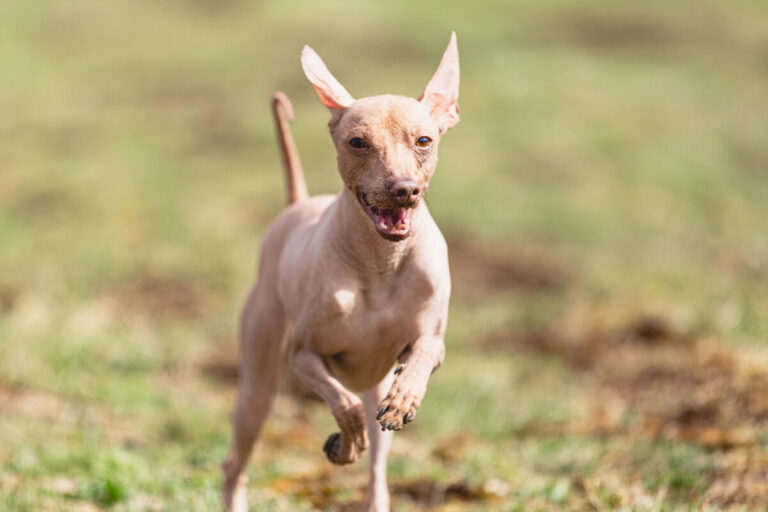
Today there are more dogs living with people than at any point in the past. They come in hundreds of types, from chihuahuas small enough to ride in a handbag to Great Danes tall enough to reach an adult’s waist. So how did one animal end up so varied?
Mitchell explores that question in his book First Dogs: Hunter-Gatherers and their Canine Companions from Prehistory to the Present. His answer is that domestication was slow and messy, not a single moment when people tamed wolves. He suggests people and wolves may have started out as fairly equal partners, and that hunter-gatherer groups played a key part long before anyone was raising crops or herding other animals.
“The connections between dogs on the one paw and people dependent on wild plant and animal resources on the other are ancient, diverse, and profound,” he writes.
Built for snow, built for jungle
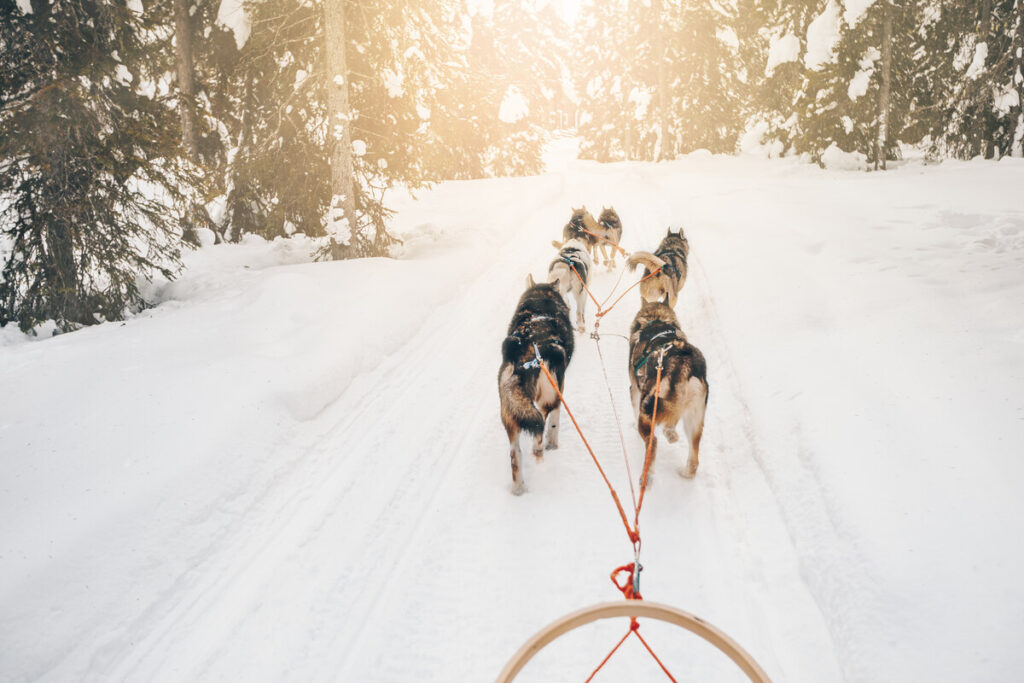
As dogs settled in with different human groups, their bodies changed to match the places they lived. In the far north, sled dogs grew compact and wrapped in thick coats that kept out the cold. Near the equator, hunting dogs tended to stay slim, a build that copes better with heat.
In the Arctic, Indigenous communities built whole ways of life around dog sledding. Ancient dog skeletons from the region show signs of hauling heavy loads, including telltale wear on the spine and sturdy leg bones. These dogs were far more than transport. They were part of how people survived in one of the toughest climates on Earth. Chemical clues locked in old bones even show that, along the coasts, dogs and their people often ate much the same seafood-heavy diet.
The rainforests of South America and Southeast Asia pushed dogs in another direction. There, dogs became nimble hunting partners able to track prey through thick plants and rough ground. They usually stayed smaller and quicker than their Arctic cousins. Records from Indigenous communities describe people picking the most promising puppies to keep good hunting skills in the line, and sometimes perhaps mixing in wild canids to strengthen certain traits.
Dogs and people on the roof of the world
One of the most striking examples comes from the Tibetan Plateau. Scientists have found genes in Tibetan dogs that help them cope with thin, low-oxygen air that would trouble breeds from lower ground. Those dog genes look a lot like the changes found in the people who live in the same region.
Mitchell is careful about the timing. “We do not know when dogs first joined them, and the genetic variants needed to thrive there may have been quickly acquired, but until that was achieved hypoxia presumably acted as a constraint on canine presence,” he explains. Hypoxia simply means the body is not getting enough oxygen.
Woolly dogs and sacred roles
Climate and work were not the only forces at play. Culture mattered too. On the Northwest Coast of North America, some Indigenous communities bred small dogs with woolly coats for their hair, which was woven into ceremonial blankets. For these dogs, the job was making textiles, not hunting or pulling sleds.
In other places, dogs took part in religious and ceremonial life. Those roles could lead people to favor particular looks or behaviors that carried special meaning.
Where germs kept dogs away
Disease may also have drawn lines on the map. Researchers are now looking at how illnesses spread by insects and other carriers could have limited where dogs could live. In sub-Saharan Africa, diseases such as trypanosomiasis and ehrlichiosis may have been serious barriers. That could help explain why dogs, which first came from the temperate and Arctic north, reached some tropical areas and lands farther south fairly late, or stayed less common there.
What this means for the dog on your couch
Many of the world’s oldest dog populations no longer exist in their original form. When European powers expanded across the globe, European breeds spread with them and took the place of many older local lineages. Still, traces of those ancient dogs survive in genes today, and they offer clues to this long shared story.
Put together, digs, DNA and records of traditional cultures paint a picture of an animal with a remarkable talent for fitting in. And the influence went both ways: over thousands of years, people and dogs have changed each other’s biology and behavior.
“The process whereby grey wolves became dogs is ongoing, not one marked by a single threshold event. It was likely both long and drawn out,” Mitchell says. He adds that in the West, and especially in recent centuries, “humans have increasingly come to dominate in determining its shape and direction.”
Source: ScienceDaily