For a long time, scientists have studied how wildlife copes with the things people build, like roads, farms and towns. A new study of 4,581 tracked mammals and birds across the U.S. suggests animals are also reacting to something simpler: people just being there.
A strange year turned into a natural experiment
When COVID-19 lockdowns hit in 2020, people suddenly changed where they went and how much they moved around. The roads and buildings stayed put, but the crowds did not. That gave researchers a rare chance to pull apart two things that usually go together: the human footprint on the land, and human bodies on the ground.
Scientists have nicknamed this odd pause in human activity the “anthropause.” The new work comes from the COVID-19 Bio-Logging Initiative, an international project built to study how wildlife responded during that period. The study, published in the journal Science, was led by researchers from UC Santa Barbara, the Smithsonian’s National Zoo and Conservation Biology Institute, and Yale University.
How the team tracked animals and people
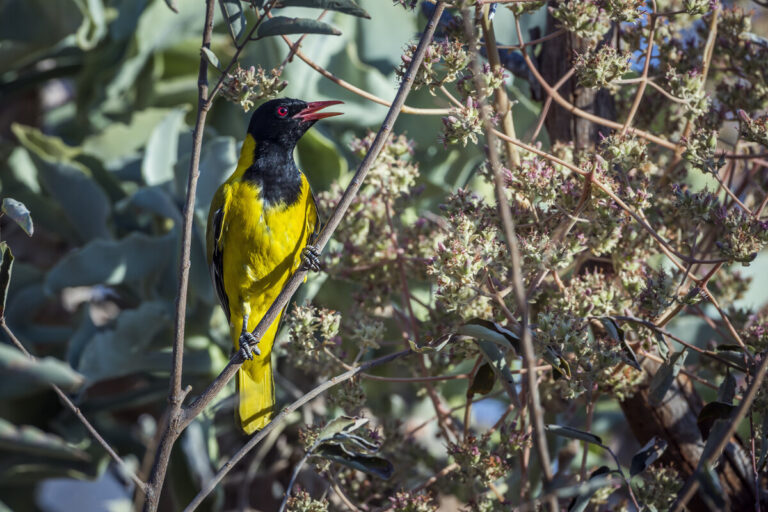
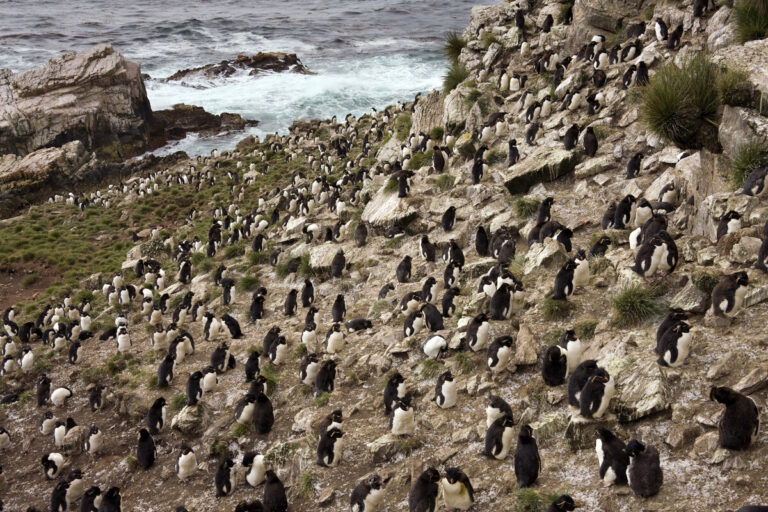
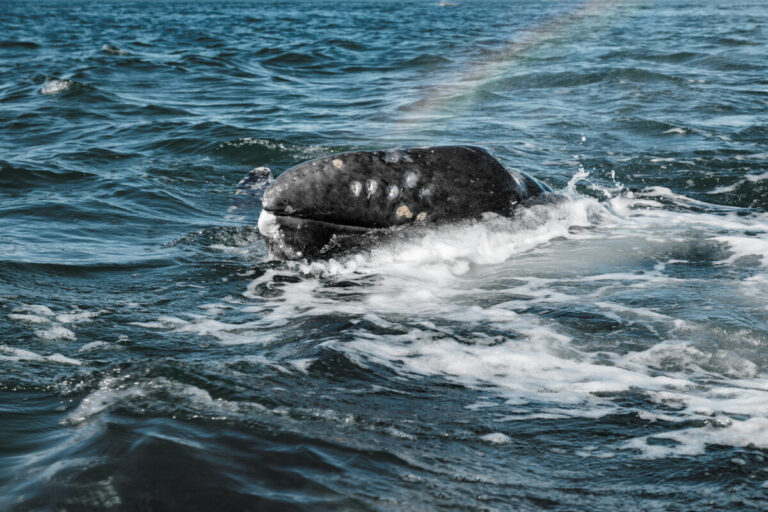
The researchers looked at weekly GPS records from 4,581 individual animals belonging to 37 species of mammals and birds, all in the continental U.S. They compared matching stretches of time in 2019 and 2020.
Following the animals was easy. Knowing where people were was much harder. Most studies have to guess at human activity from clues such as how built-up an area is, how much farmland surrounds it, or whether a lockdown was in place. Those clues hint at where people might be, but they do not show where people actually are.
So the team used anonymized cellphone location data, detailed down to the level of a neighborhood. According to the researchers, this is the first time this kind of data has been used to study how human presence shapes animal movement.
Co-lead author Scott Yanco, a research ecologist at the Smithsonian’s National Zoo, explained that the phone data was opened up to researchers during the pandemic to study the effects of shutdowns. “Typically, private companies hold onto these, which made this a rare opportunity for us to quantify how human presence impacts wildlife,” he said.
People nearby matter, not just the places we build
The team measured two things for each species. The first was the physical area an animal used. The second was its environmental niche, which is a way of describing how an animal uses the habitats and resources around it.
For 57% of the species studied, both human presence and changes to the landscape had an effect. Human presence alone was linked to a change in either the amount of ground covered or the size of the niche for 67% of mammal species and 68% of bird species.
The two influences also worked together. How strongly an animal reacted to people depended partly on how much the land around it had already been altered, and the reverse was true too. When both pressures combined, about 67% of mammal species and 41% of bird species shrank the amount of habitat they used.
Animals were especially sensitive to people in places with little development, such as national parks, compared with cities.
Wolves, deer and cranes all reacted differently
There was no single rule that fit every animal. Wolves stood out. Instead of pulling back, their habitat use grew when people were around. The researchers think this may reflect the long, rocky history between wolves and humans, with wolves spreading out or moving farther away from human activity.
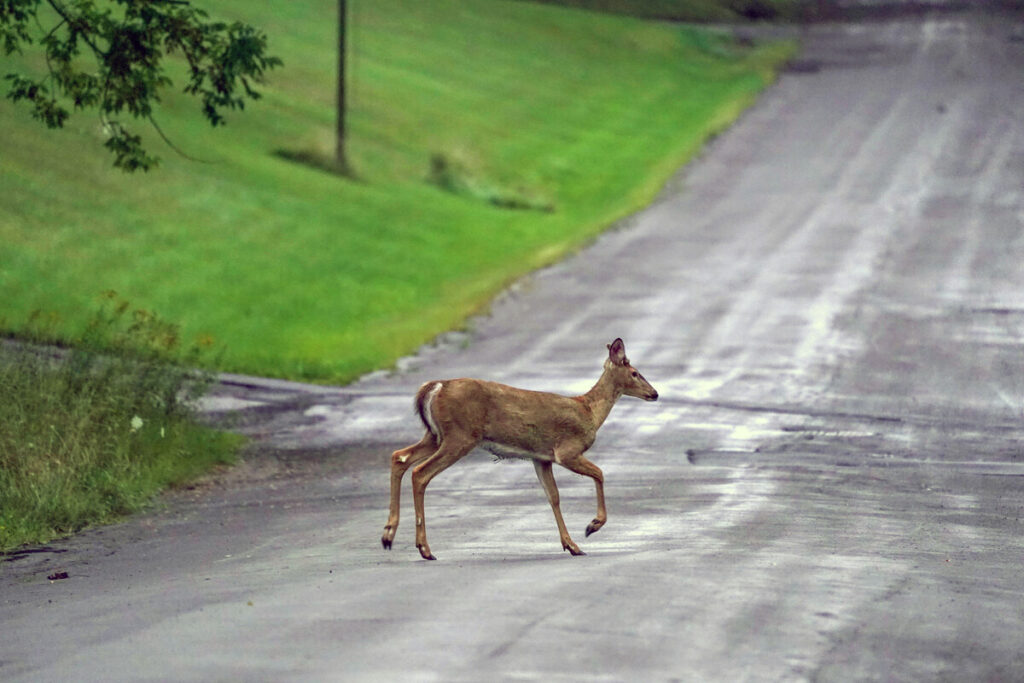
White-tailed deer followed their own pattern. Their niches widened as landscapes became more modified, but narrowed as more people showed up. Sandhill cranes did the opposite.
“Every species has different habitat requirements, has its own particular behavioral tendencies and faces unique threats,” said co-lead author Ruth Oliver, an assistant professor at UC Santa Barbara’s Bren School of Environmental Science & Management. “Effective conservation requires that we understand the particular challenges that each species faces.”
Why it matters for protecting wildlife
Humans affect wildlife both by being present and by reshaping habitats, and Oliver stressed that the full picture needs data on both. Until now, conservation plans were mostly built without detailed data on how animals respond to people simply being nearby.
By combining animal GPS tracking with phone data, scientists can start to tell apart the effect of a new road or building from the effect of the people walking, driving or hiking through an area. That could lead to more targeted rules about where and when wildlife needs space.
“Our results give me some optimism that we can achieve wildlife-coexistence through more nuanced policies that more smartly consider where and when we need to give animals space,” Oliver said.
Helping or hurting? The next big question
The study shows that animals change how they move and use resources around people. It does not yet show whether those changes are good or bad for them.
“We don’t know if these changes are helping them adapt or are a sign of stress,” Oliver said. Her group is now looking at whether animals that shift their behavior in response to human pressure are more or less likely to die.
The wider initiative behind the work brought together 600 partners and about 1 billion location records from roughly 13,000 animals.
Source: ScienceDaily