Cows say moo, dogs say woof, but why do so many different animals sound so different from one another? The answer lies in a mix of biology, environment, and evolution — and it is way more fascinating than you might think.
Every animal sound serves a purpose. Whether it is a warning cry, a mating call, or a simple way to stay in touch with the herd, the noises animals make are shaped by millions of years of evolution.
Why do animals sound so different?
The size and shape of an animal’s vocal cords, throat, and even body size all play a role in the pitch and tone of the sounds it makes. Larger animals like elephants and lions tend to produce deep, low-frequency sounds, while smaller animals like mice and birds produce higher-pitched calls.
- Communication: Wolves howl to call their pack members together.
- Warning: Elephants trumpet loudly to warn of danger.
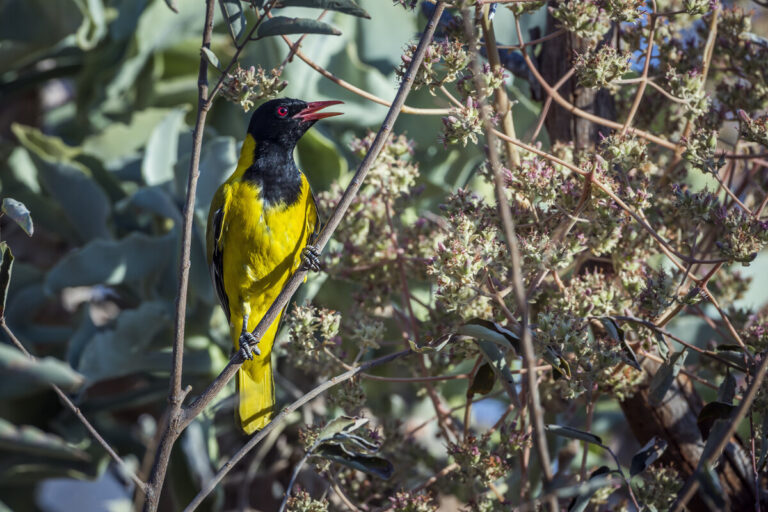
- Mating: Birds sing elaborate songs to attract a mate.
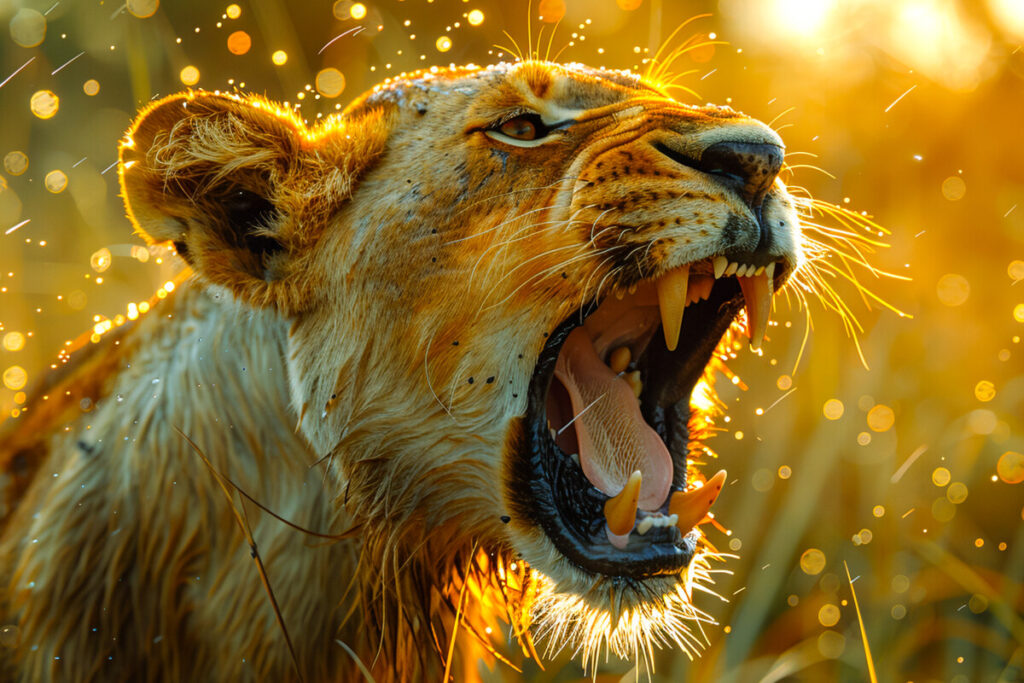
- Territory marking: Lions roar to let rivals know exactly whose turf they are on.
Farm animal sounds everyone knows
Farm animals are some of the easiest sounds for kids to recognize and imitate.
| Animal | Sound | Example |
|---|---|---|
| Cow | Moo | Deep, rumbling moo |
| Sheep | Baa | Soft bleating baa |
| Chicken | Cluck | Quick clucking sound |
| Horse | Neigh | Long neighing sound |
Wild animal sounds that will surprise you
Wild animals produce some of the most dramatic sounds in nature. A lion’s roar can be heard up to five miles away, while a howler monkey’s call can travel three miles through dense rainforest.
Sounds that seem almost human
Some animal sounds are so unusual they can be mistaken for something else entirely.
- What animal sounds like a woman screaming? The red fox’s mating call is a shockingly human-like scream, especially at night.
- What animal sounds like a baby crying? Peacocks and lynxes can both produce eerie, baby-like cries.
Fun ways to learn animal sounds with kids
Learning animal sounds is a great way to build early language skills. Try singing simple animal sound songs, playing matching games with pictures and sounds, or taking a walk outside and challenging kids to identify the birds and animals they hear.
The bottom line
From the quiet chirp of a cricket to the thunderous roar of a lion, animal sounds are an incredible window into how creatures communicate and survive. Whether you are a curious kid, a parent, or simply an animal lover, tuning in to the sounds of the animal kingdom opens up a whole new way to appreciate nature.